Claire Williams, daughter of Formula One racing legend Sir Frank Williams, is one of only two women to have ever led a Formula One team. Yet her rise was neither inherited nor inevitable, with her father resolute that none of his children would ever work for Williams Racing. It took Claire many years of relentless effort to overcome that and, characteristic of his generation, his open scepticism about women’s suitability for technical and engineering roles.
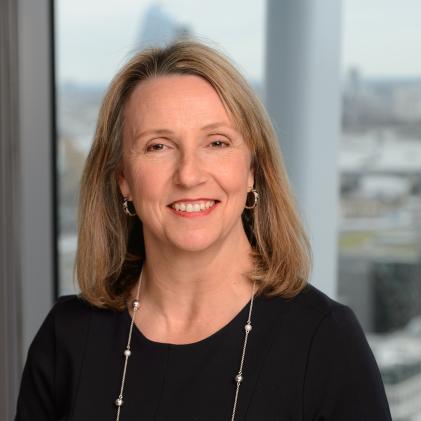
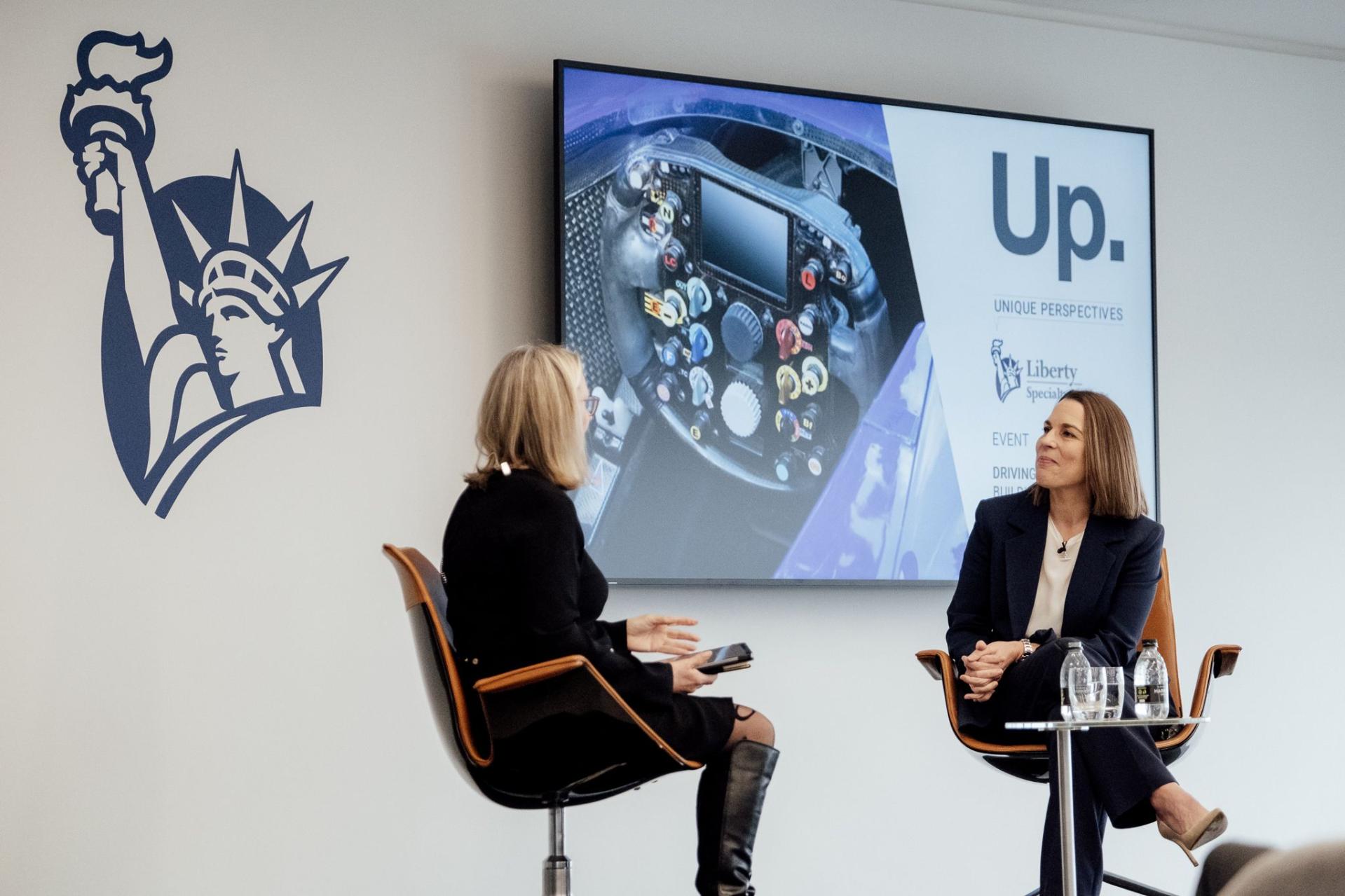
It was my great pleasure to host this transformational leader at our recent Unique Perspectives event, which yielded a wealth of hard-won insight on leadership, culture, resilience and balancing advanced technologies with human expertise.
When Claire took over Williams Racing, it was struggling, finishing ninth in the Constructors’ Championship in 2013. Yet, despite considerable challenges, under Claire’s leadership the team finished third in both 2014 and 2015, consistently outperforming better‑resourced, big-name rivals to become a frontrunner in the early years of Formula One’s hybrid era.
A decisive factor in the team’s dramatic change of fortunes was Claire’s focus on culture. Her pragmatic, values‑driven leadership challenged F1 orthodoxy, prioritising people and team cohesion over ego and status. This required emotional intelligence, conviction and grit, even on occasion declining star drivers – individuals who might attract headlines or sponsorship – if she felt they could disrupt the cohesion and balance of the team. This is highly relevant as our industry looks to improve on its mixed cultural track record and address the persistent under-representation of women in key roles and leadership.
Claire’s reframing of culture as a competitive advantage, not a nice to have, is exactly right and core to building working environments in which people thrive. Trust and mutual respect are key to cohesive teams producing strong sustainable results, which doesn’t need to orbit around individual stars. Claire’s stance on culture resonates with experience in our industry; that trust and constructive challenge are healthy – helping teams to pull in the same direction – whereas overemphasis on individuals can create friction for the wider team and be destabilising.
It was clear that her effectiveness as a leader relied heavily on striking the right balance between intellectual and emotional intelligence in her decision making. Yet in too many industries emotional intelligence is often viewed with scepticism – something soft, counterproductive or even irrelevant. In reality, that human consideration and appreciation is often the glue that holds high‑performing teams together, particularly during periods of stress or transformation.
Turning constraints into catalysts
Claire’s experiences of being scrutinised beyond professional performance, straying into judgements about her personally, also chime with many women’s experiences, especially those who are leaders in male-dominated industries. Getting married was “a distraction” and bringing her baby to the circuit when she became a mother was “inappropriate”, yet similar events in male peers’ lives attracted approval not criticism.
For me, her gutsy, well-adjusted reaction to these hurtful experiences – allowing the injustice to become a catalyst for change – was one of the most important points of the session. It was a clear demonstration of pragmatism and resilience born of adversity. And that same negativity is similarly being harnessed by countless others to drive change; change to cultural frameworks, policies and pathways so other women need not face the same barriers, unfairness and unequal treatment.
Claire’s reflections also underlined the importance of male allies in achieving real change. As she mentioned, most people, irrespective of gender, have women in their lives – daughters, wives, mothers, colleagues – who they want to see treated fairly and supported at work. That shared starting point is where meaningful engagement begins. Establishing this common ground helps frame inclusion not as a “women’s issue” or about the exclusion of men, but as a collective responsibility with fairness at its heart.
Bots or Bottas
Another strand of discussion that felt particularly relevant was Claire’s warning about the over‑reliance on data and analytics. Formula One is at the pinnacle of modelling, predictive analytics and simulation. Yet she described how engineers, trusting data from hugely expensive predictive weather models, often argued with drivers that it wasn’t raining as they were sliding around on a wet track. Similarly, engineers trusting sophisticated computer simulations to create components, disbelieved the real-world data showing they actually underperformed. As insurance enters the AI era, this experience from the technological cutting edge is a timely reminder that expert human judgment remains vital and that such technologies make excellent servants but terrible masters.
This adds to the point about culture, with the need to foster questioning curiosity rather than blind compliance, especially during a period of such rapid advancement. Data informs decisions but should not replace critical thinking. Challenging outputs should be actively encouraged, especially when they do not align with lived experience.
R&D: progress not perfection
Claire’s experiences with innovation, as a process of refinement rather than instant perfection, was also relevant. Tales about constant shaping, stress‑testing, improving and iterating to achieve peak performance all felt very familiar. Whether a new piece of aerodynamics or a policy-wording update, first iterations are rarely the final approved version. It is the willingness to patiently and systematically engage with the refinement process that ultimately yields optimal performance and results.
Final thoughts
Although Williams Racing later faced financial collapse due to a counter party default and the constraints imposed by COVID – a stark illustration of volatility beyond any leader’s control – taking the team from ninth to third in the Constructors’ Championship still stands as a remarkable achievement.
What made Claire’s insights so compelling wasn’t just what she achieved, but how she achieved it. Before the event she told me there were no red lines, I could ask anything. Speaking with an extraordinary openness and honesty further revealed her management style; relatable, down-to-earth, emotionally intelligent and principled with a steely determination. All qualities our industry needs more of as we look to attract the next generation of talent from a more diverse pool to fill the impending skills gap.