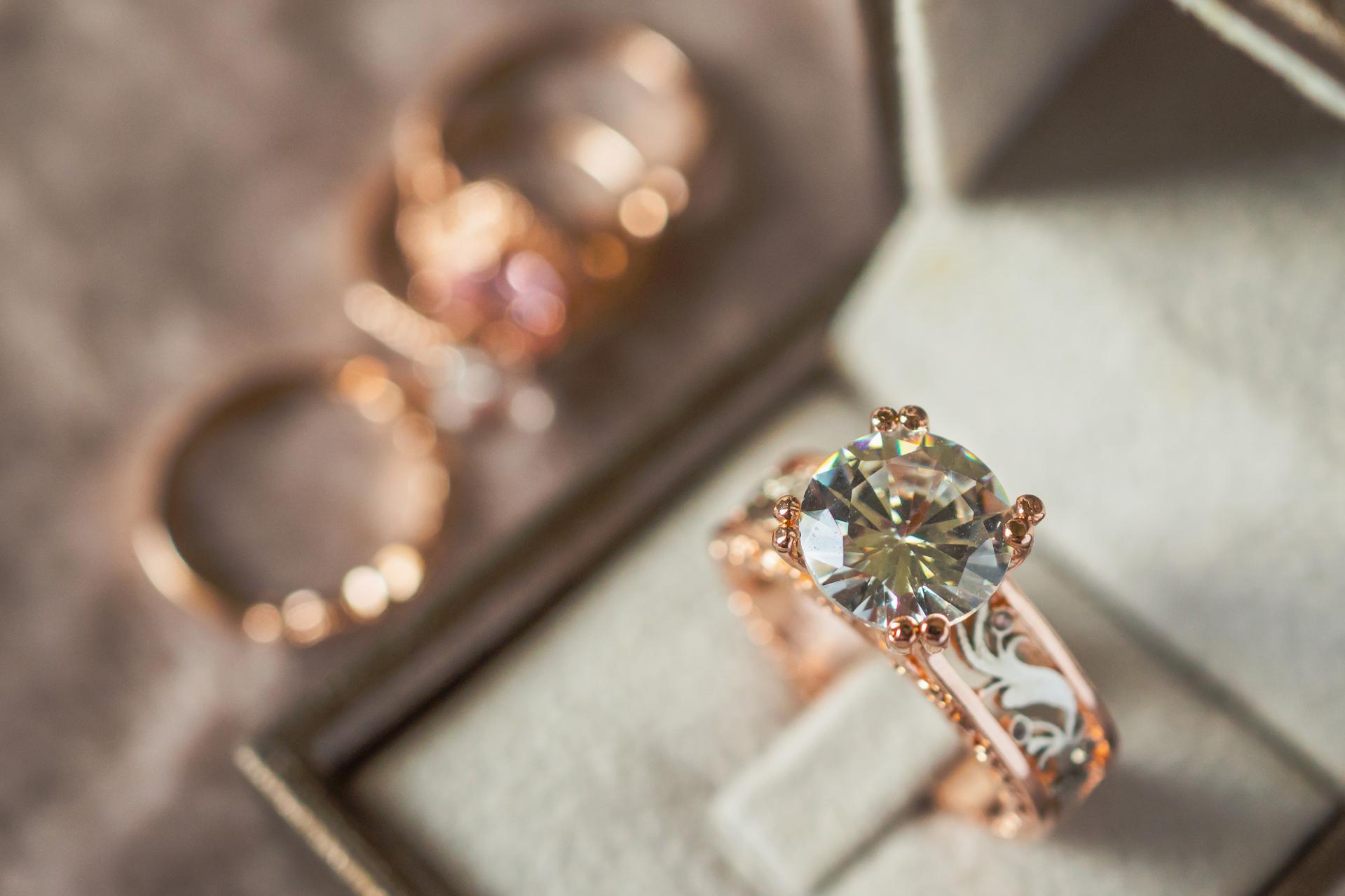
Imagine coming back from a trip and discovering that the beloved ring you inherited from your grandmother’s engagement is missing; or suffering a home burglary and finding that the watches in your collection have disappeared “as if by magic.” Some events seem straight out of a Hollywood movie, as was the highly publicized case on December 7, 2024, at influencer Shafira Huang’s mansion. Despite being located on Avenue Road in St John’s Hill — the so-called “Millionaires’ Row,” one of the most exclusive areas in England — it was the perfect target for a multimillion-euro theft: the haul, valued at more than €12.5 million, included one-of-a-kind designer jewelry and luxury handbags.
Beyond the emotional impact, the loss of a high-end piece can amount to tens of thousands of euros.
While luxury jewellery continues to be attractive, the market itself is facing a number of challenges with jewellery becoming more of an exposed risk. A combination of the increasing use of gold, diamonds and jewellery being used for money laundering, along with a heightened risk of theft, are driving upward premiums which are impacting both retailers and manufacturers and high net-worth customers across the sector.
But…What do we mean by "luxury jewellery"? Luxury jewellery includes items crafted from precious metals and high-value gemstones (large diamonds, sapphires, emeralds), high-end watches, designer pieces or unique antiques whose valuation far exceeds the typical limits of a home insurance policy. These items normally have extended documentation like gemmological certifications (e.g., GIA) or recognised provenance/authorship and attribution.
Given such a volatile market, ensuring that specialist jewellery insurance is in place is critical.
But…Why is it important? These often unique items with expert craftsmanship not only have high monetary value but also sentimental and collector value. Many standard home insurance policies impose per-item or per-category limits and exclude losses that occur away from the home or that result from negligence, because they are not specialized in this area. Without adequate coverage, owners can be left with insufficient compensation. Protecting these pieces is both a financial decision and an aspect of wealth/estate management.
Specialist insurers offer different kind of coverages which avoid disputes when market values fluctuate like: Theft and robbery, accidental loss, damage and repair: covers repair, restoration or cleaning after accidental damage (for example, a knock that dislodges a stone), transit/travel cover: protects items while traveling or being transported; loss from disasters (fire, flood): covers damage caused by household perils.
The issues of mobility and visibility are a challenge for the industry. When jewellery is worn at events, transported internationally and showcased publicly, the conditions of home policies offer little protection. High‑end watches, rare gemstones and bespoke pieces are experiencing an increase in thefts. Jewellery businesses face their own challenges, with theft attempts rising during stock‑heavy periods such as December–January and May–June.
Likewise, in the event of a loss, the role of the jewellery appraiser to assess potential claims helps to facilitate the claims process, as it helps determine how much and in what manner the owner is compensated.
In all cases, avoiding underinsurance is critical for high value, highly prized items. Up‑to‑date appraisals, accurate scheduling and agreed values offer insureds the strongest safeguards.
In conclusion, choosing the right policy requires a pragmatic and tailored approach: set a sum insured and a valuation method—preferably replacement value or agreed value—to avoid depreciation due to age; review and, if appropriate, request the removal or increase of per-item and per-category limits when your pieces exceed standard sub limits; ensure there is worldwide and transit coverage if you travel frequently; assess the deductible-to-premium balance, bearing in mind that higher coverage and lower deductibles mean higher premiums, so balance protection with budget; and finally, consider the insurer’s reputation and claims process—checking reviews, response times and the ease of post-loss appraisals—to ensure that, when needed, handling will be prompt and effective.
Authors

Elena Gutiérrez
Madrid